Healthy, shiny, and strong hair starts with choosing the right hair treatment for your hair type. Many people spend money on expensive products and salon services without understanding what their hair truly needs. As a result, they experience dryness, hair fall, frizz, breakage, or lack of shine.
The truth is that no single treatment works for everyone. The best treatment for curly hair may damage fine hair, while a treatment designed for oily scalps may worsen dry hair. Understanding your hair type is the first step toward achieving healthier and more beautiful hair.
In this comprehensive guide, you’ll learn how to choose the right hair treatment for your hair type, discover the most effective treatments available in 2026, and avoid common mistakes that can harm your hair.
Why Choosing the Right Hair Treatment Matters
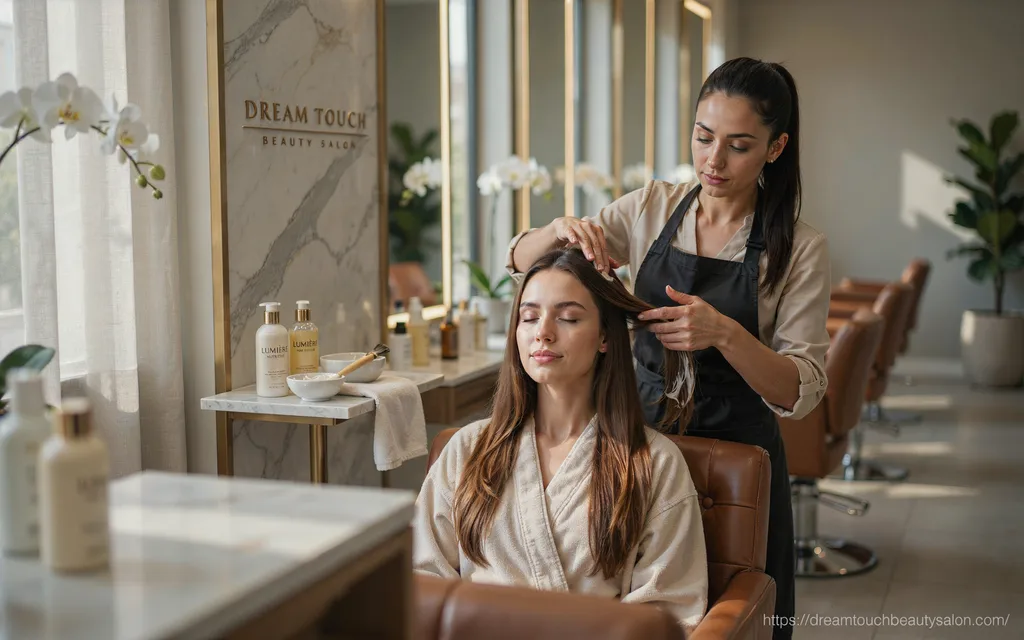
Hair treatments are designed to solve specific problems. When you select a treatment based on your hair type and concerns, you can improve hair health, texture, shine, and manageability.
Benefits of choosing the correct treatment include:
- Reduced hair breakage
- Improved moisture retention
- Better scalp health
- Enhanced shine and softness
- Stronger hair strands
- Long-lasting results
- Protection from environmental damage
Using the wrong treatment can lead to buildup, excessive dryness, oiliness, or even increased hair damage.
Understanding Different Hair Types
Before selecting a treatment, identify your hair type accurately.
Hair Types and Their Characteristics
| Hair Type | Characteristics | Common Issues |
|---|---|---|
| Straight Hair | Smooth, shiny, oily quickly | Flat appearance, excess oil |
| Wavy Hair | Natural bends and waves | Frizz, uneven texture |
| Curly Hair | Defined curls | Dryness, tangles |
| Coily Hair | Tight curls or coils | Extreme dryness, shrinkage |
| Fine Hair | Thin strands | Lack of volume |
| Thick Hair | Dense strands | Frizz, heaviness |
| Chemically Treated Hair | Colored, rebonded, relaxed | Damage, breakage |
How to Determine Your Hair Needs
Step 1 Identify Your Main Hair Concern
Ask yourself:
- Is your hair dry?
- Do you have excessive frizz?
- Are you experiencing hair fall?
- Is your scalp oily?
- Is your hair damaged from coloring or heat styling?
Your answer will guide you toward the most suitable treatment.
Step 2 Check Your Hair Porosity
Hair porosity affects how your hair absorbs moisture.
Low Porosity Hair
- Moisture-resistant
- Products sit on the surface
- Needs lightweight treatments
Medium Porosity Hair
- Balanced moisture retention
- Responds well to most treatments
High Porosity Hair
- Absorbs moisture quickly
- Loses moisture easily
- Needs intensive repair treatments
Step 3 Evaluate Your Scalp Health
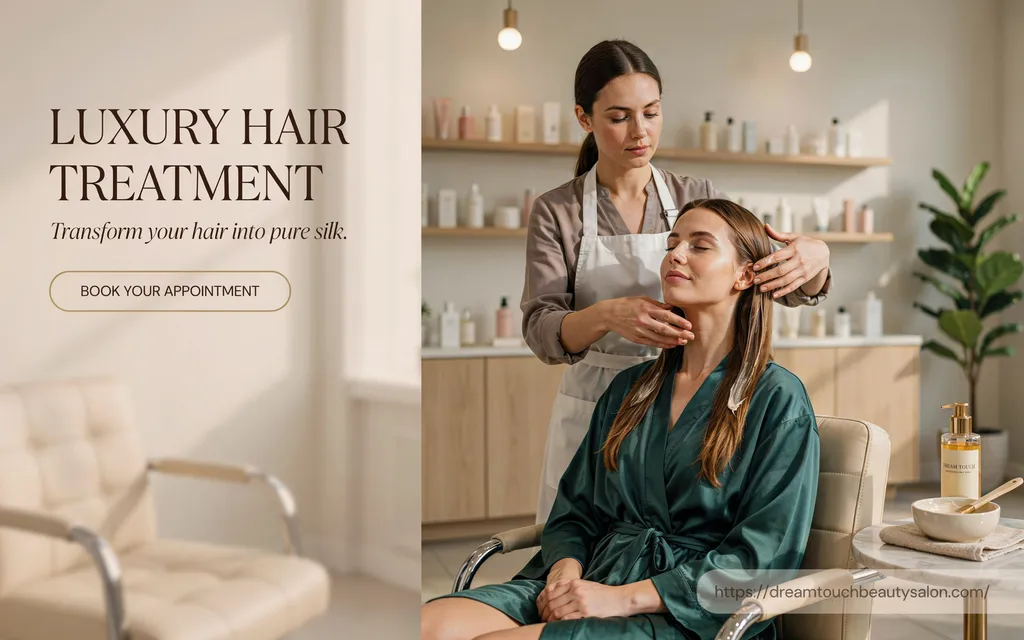
Healthy hair starts with a healthy scalp.
Common scalp conditions include:
- Dry scalp
- Oily scalp
- Dandruff
- Sensitive scalp
Choose treatments that address scalp issues along with hair concerns.
Best Hair Treatments for Different Hair Types
Best Treatments for Dry Hair
Dry hair requires deep hydration and nourishment.
Recommended treatments:
- Deep conditioning masks
- Keratin treatments
- Argan oil therapy
- Protein treatments
- Hot oil treatments
Benefits:
- Restores moisture
- Reduces frizz
- Improves softness
- Enhances shine
Best Treatments for Oily Hair
Oily hair needs balance rather than additional moisture.
Recommended treatments:
- Scalp detox treatments
- Clarifying treatments
- Tea tree scalp therapy
- Lightweight protein masks
Benefits:
- Controls oil production
- Removes buildup
- Refreshes the scalp
- Improves hair volume
Best Treatments for Curly Hair
Curly hair naturally loses moisture faster than straight hair.
Recommended treatments:
- Deep hydration masks
- Curl-enhancing treatments
- Leave-in conditioning therapy
- Coconut oil treatments
Benefits:
- Defines curls
- Prevents dryness
- Reduces tangles
- Improves elasticity
Best Treatments for Damaged Hair
Damaged hair requires repair and strengthening.
Recommended treatments:
- Bond-building treatments
- Keratin repair therapy
- Protein reconstruction
- Intensive conditioning treatments
Benefits:
- https://dreamtouchbeautysalon.com/beauty-salon-services-in-abu-dhabi/Repairs broken bonds
- Strengthens strands
- Reduces split ends
- Improves texture
Best Treatments for Color-Treated Hair
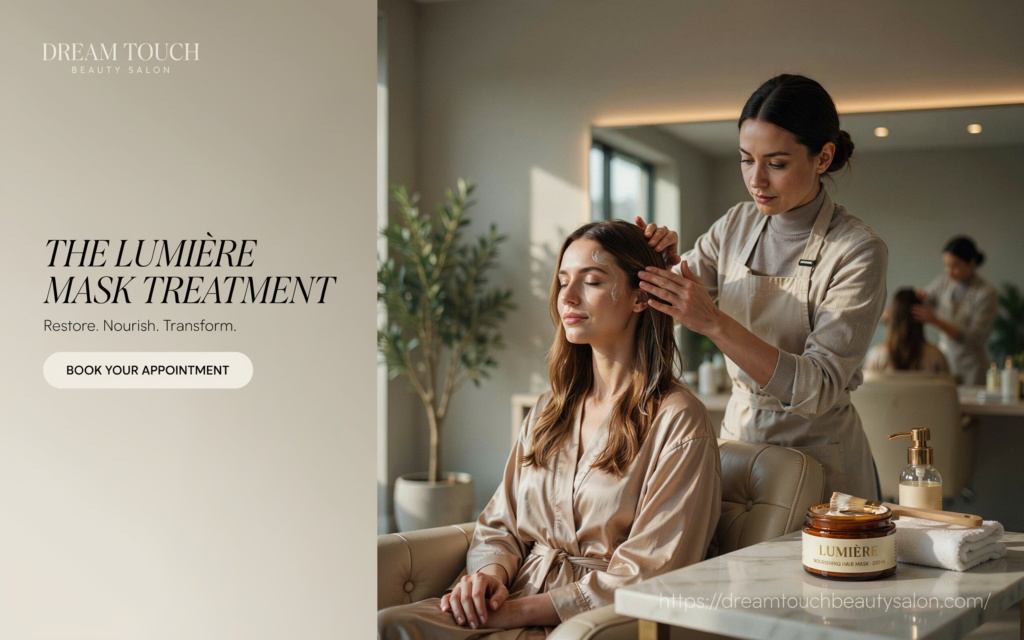
Hair coloring can weaken the hair structure.
Recommended treatments:
- Color-protecting masks
- Protein-moisture balance treatments
- Sulfate-free conditioning therapy
- UV protection treatments
Benefits:
- Maintains color vibrancy
- Prevents fading
- Strengthens chemically treated hair
Featured Snippet Quick Answer
How Do You Choose the Right Hair Treatment for Your Hair Type?
To choose the right hair treatment for your hair type:
- Identify your hair type.
- Determine your main hair concern.
- Check hair porosity.
- Assess scalp condition.
- Select treatments designed for your specific needs.
- Avoid treatments that don’t match your hair structure.
- Consult a professional stylist when needed.
Following these steps helps achieve healthier and stronger hair with long-lasting results.
Professional Salon Treatments vs Home Treatments
Professional Salon Treatments
Advantages:
- Expert assessment
- Faster results
- Advanced technology
- Customized solutions
Best for:
- Severe damage
- Chemical treatment recovery
- Keratin services
- Scalp treatments
Home Hair Treatments
Advantages:
- Affordable
- Convenient
- Easy maintenance
Best for:
- Weekly hydration
- Routine hair care
- Preventive maintenance
The best approach often combines professional treatments with consistent home care.
Common Mistakes to Avoid
Many people damage their hair unintentionally.
Avoid these mistakes:
- Choosing treatments based on trends instead of hair needs
- Overusing protein treatments
- Ignoring scalp health
- Excessive heat styling
- Using harsh shampoos
- Skipping deep conditioning
- Applying heavy oils to fine hair
Understanding your hair’s requirements prevents long-term damage.
Signs Your Hair Treatment Is Working
A good treatment should show noticeable improvements.
Look for:
- Increased softness
- Less breakage
- Improved shine
- Better manageability
- Reduced frizz
- Stronger strands
- Healthier scalp
Results typically become visible after consistent use over several weeks.
How Often Should You Get Hair Treatments
Treatment frequency depends on your hair type.
| Hair Condition | Recommended Frequency |
| Dry Hair | Every 1 to 2 Weeks |
| Curly Hair | Weekly |
| Damaged Hair | Every 1 to 2 Weeks |
| Oily Hair | Every 2 to 4 Weeks |
| Color-Treated Hair | Every 2 Weeks |
| Normal Hair | Monthly |
Consistency is more important than excessive treatment.
Frequently Asked Questions
What is the best hair treatment for damaged hair?
Bond-building treatments, keratin repair therapies, and protein treatments are among the best options for repairing damaged hair.
How do I know which hair treatment is right for me?
Identify your hair type, scalp condition, and primary concern before selecting a treatment designed specifically for those needs.
Are salon hair treatments better than home treatments?
Salon treatments provide professional-strength results, while home treatments help maintain and extend those results between appointments.
How often should I do a deep conditioning treatment?
Most people benefit from deep conditioning once a week, although severely dry or damaged hair may require more frequent treatments.
Can the wrong hair treatment damage hair?
Yes. Using treatments that do not match your hair type can cause dryness, buildup, breakage, or excessive oiliness.
Is keratin treatment suitable for all hair types?
Keratin treatments work well for frizzy and damaged hair but may not be ideal for very fine hair that lacks volume.
What treatment is best for frizzy hair?
Keratin treatments, moisturizing masks, and deep conditioning therapies are highly effective for controlling frizz and improving smoothness.
Final Thoughts
Choosing the right hair treatment for your hair type is one of the most important decisions for maintaining healthy, beautiful hair. Instead of following trends, focus on understanding your hair texture, scalp condition, porosity, and specific concerns. A personalized approach delivers better results, reduces damage, and helps your hair look its best throughout the year.
Whether you have dry, curly, oily, damaged, or color-treated hair, selecting the proper treatment can transform your hair’s health and appearance. Start by evaluating your hair needs today and invest in treatments that truly work for your unique hair type.
Ready to achieve stronger, shinier, and healthier hair? Use these expert tips to choose the right hair treatment for your hair type and enjoy salon-worthy results in 2026 and beyond.